


Sleep Apnea Dental Solutions: Your Path to Better Sleep and Health
That exhaustion you feel despite eight hours in bed isn't just stress or aging—it's your body struggling for oxygen throughout the night. Sleep apnea affects millions across the Pacific Northwest, yet many don't realize their dentist can be their most valuable ally in reclaiming restful sleep. This piece aims to change that.

At Kent Station Family Dentistry, we understand how sleep disorders ripple through every aspect of your life, from morning headaches to strained relationships.
Serving the Kent, Renton, and Federal Way communities, we've seen firsthand how untreated sleep apnea affects families throughout South King County.
Dr. Amrita's compassionate approach to sleep treatment reflects our core philosophy: we're a team that loves taking care of people and happens to do dentistry. When traditional CPAP therapy feels overwhelming or uncomfortable, our custom oral appliances offer a quiet, comfortable alternative that many patients find life-changing.
Quick Overview
- Dental Alternative: Custom oral appliances offer a comfortable, quiet alternative to CPAP machines for many people with sleep apnea
- Health Impact: Untreated sleep apnea increases risks of heart disease, high blood pressure, and affects daily concentration and mood
- Custom Fit: Professional dental sleep appliances are precisely fitted to your mouth for maximum comfort and effectiveness
- Insurance Coverage: Many dental and medical insurance plans cover sleep apnea treatment when prescribed following a sleep study
What Is Sleep Apnea and Why Should You Care?
Sleep apnea occurs when your breathing repeatedly stops and starts during sleep. Think of it as your airway temporarily collapsing—like a straw being pinched closed—preventing oxygen from reaching your lungs and brain. Your body jolts awake (often so briefly you don't remember) to restart breathing. This cycle can happen dozens or even hundreds of times per night, fragmenting your sleep and depriving your body of restorative rest.
The most common type is obstructive sleep apnea (OSA), where soft throat tissues relax too much during sleep, blocking your airway. This differs from central sleep apnea, where the brain doesn't send proper breathing signals, or mixed sleep apnea, which combines both issues.
What Are the Early Warning Signs You Shouldn't Ignore?
Many people dismiss early sleep apnea symptoms as normal parts of aging or stress. However, recognizing these signs early can dramatically improve your health and quality of life:
- Loud, persistent snoring: Especially snoring that disrupts your partner's sleep
- Morning headaches: Feeling like a tight band around your head that persists for hours
- Excessive daytime fatigue: Exhaustion that doesn't improve even after a full night's sleep
- Dry mouth or sore throat: Waking up with these symptoms regularly
- Difficulty concentrating: Brain fog that affects work performance and daily tasks
- Mood changes: Increased irritability, anxiety, or depression
- Gasping or choking: Waking up with these sensations during the night
If you're experiencing several of these symptoms, it's worth discussing them with our team. Dr. Amrita's background in comprehensive care means our team has a pretty good idea of how sleep disorders connect to overall health, and we've helped many Kent and surrounding area residents identify these connections.
When Does Snoring Become a Health Concern?
Not everyone who snores has sleep apnea, but certain patterns signal when professional help is needed. Normal snoring is typically consistent without breathing interruptions. Sleep apnea snoring follows a distinct pattern: loud snoring, followed by silence (when breathing stops), then gasping or choking as breathing resumes.
Consider seeking evaluation when snoring is accompanied by witnessed breathing interruptions, excessive daytime sleepiness affecting work or relationships, morning headaches, difficulty concentrating, or high blood pressure that's difficult to control.
What Are the Hidden Health Risks of Untreated Sleep Apnea?
Sleep apnea's impact extends far beyond daytime fatigue. The repeated drops in blood oxygen levels put tremendous strain on your cardiovascular system; your heart works harder to pump blood, and this constant stress can lead to high blood pressure, irregular heart rhythms, and increased risk of heart attack and stroke.
Many patients don't realize that treating sleep apnea can significantly improve blood pressure and reduce cardiovascular risk. The connection is so strong that cardiologists now routinely screen heart patients for sleep disorders.
How Does Sleep Apnea Affect Your Daily Life?
Beyond serious health risks, untreated sleep apnea makes everyday activities challenging. Chronic fatigue and brain fog affect job performance, making it difficult to concentrate, remember details, or make decisions effectively—whether you're commuting to Seattle, working in Tukwila, or managing daily responsibilities closer to home.
Those morning headaches result from repeated oxygen drops and carbon dioxide increases throughout the night. These aren't typical headaches—they feel like pressure or tightness around your head and can persist for hours. Successfully treating sleep apnea typically eliminates these headaches entirely, which many patients find to be the most immediately noticeable improvement.
What Is Dental Sleep Medicine and How Can It Help?
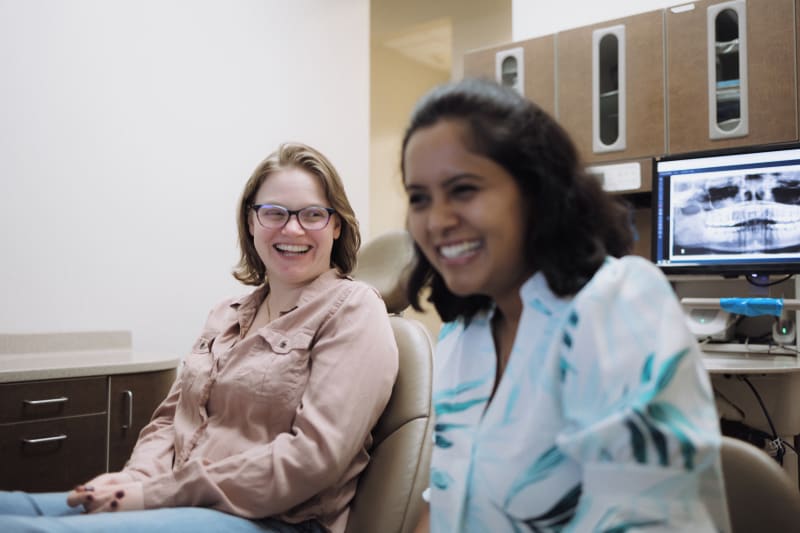
While CPAP machines have long been considered the gold standard for sleep apnea treatment, many people find them uncomfortable, noisy, or difficult to use consistently. This is where dental sleep medicine offers a valuable alternative through custom oral appliances that are often more comfortable and convenient than traditional CPAP therapy.
Dental sleep appliances work by gently repositioning your jaw and tongue to keep your airway open during sleep. These devices are custom-made to fit your mouth precisely, ensuring maximum comfort and effectiveness. Unlike CPAP machines, oral appliances don't require electricity, don't make noise, and are easy to travel with.
How Do We Approach Sleep Apnea Treatment?
When you visit us for sleep apnea evaluation, we start with a comprehensive assessment of your oral health, jaw structure, and sleep symptoms. This evaluation helps determine whether you're a good candidate for oral appliance therapy and which type of device would work best for your specific anatomy and needs. We also coordinate closely with sleep physicians throughout the greater Seattle area to ensure comprehensive care.
The process involves taking detailed impressions of your teeth and bite, similar to what we do for our Invisalign treatment. These impressions create a custom appliance that fits perfectly and comfortably. We then adjust the appliance to achieve optimal positioning for keeping your airway open while ensuring you can still speak and drink water comfortably.
What Types of Dental Sleep Appliances Are Available?
The most common and effective oral appliance is the mandibular advancement device (MAD). This appliance gently holds your lower jaw in a slightly forward position, preventing soft throat tissues from collapsing during sleep by maintaining airway space.
Mandibular advancement devices are custom-made for each person and can be adjusted to find the optimal position for effective treatment while maintaining comfort. Some devices allow for small adjustments over time, enabling fine-tuning as needed. These appliances are made from durable, biocompatible materials designed to withstand nightly use for several years.
Why Choose Custom Over Over-the-Counter Options?
Over-the-counter sleep appliances available at pharmacies or online rarely provide the same effectiveness or comfort as custom-made devices. Generic options use a one-size-fits-all approach that can't account for your unique oral anatomy, bite relationship, or specific treatment needs.
Custom dental sleep appliances offer several important advantages:
- Perfect fit: Made from precise impressions ensuring comfort and retention during sleep
- Superior materials: Higher quality, more durable construction than generic alternatives
- Optimized design: Tailored to your specific type and severity of sleep apnea
- Professional oversight: Ongoing care, adjustments, and monitoring for optimal results
- Insurance coverage: Custom appliances are more likely to be covered by insurance plans
How Do CPAP and Dental Appliances Compare?
Both CPAP machines and dental appliances can effectively treat sleep apnea, but they work differently and offer distinct advantages. CPAP machines deliver constant pressurized air through a mask, keeping airways open throughout the night. They're typically recommended for severe sleep apnea and can be highly effective when used consistently.
However, many people struggle with the mask, tubing, and machine noise, leading to poor compliance and reduced treatment effectiveness. Studies show that while CPAP may have a slight edge in raw effectiveness, dental appliances often achieve better real-world results because patients are more likely to use them consistently every night.
Which Option Offers Better Compliance and Comfort?
Dental appliances are a great option for most people struggling with sleep apnea. The comfort factor is significant—dental appliances are quiet, don't require electricity, and many patients forget they're wearing them after an adjustment period.
They're also much easier for travel and don't disturb sleeping partners. Some people may experience temporary jaw soreness or bite changes, especially during initial adjustment. Just as we provide comprehensive care for other treatments like our custom mouth guards, proper fitting and follow-up care minimize these issues.
What Can You Expect During the Treatment Process?
Your journey to better sleep begins with a thorough consultation where we discuss your sleep symptoms, medical history, and treatment goals. We examine your mouth, teeth, and jaw to determine if you're a good candidate for oral appliance therapy. This comprehensive evaluation follows the same caring approach we take with all patients, much like during your first visit to our practice.
If oral appliance therapy seems appropriate, we take detailed impressions and measurements to create your custom device. The fabrication process typically takes 2-3 weeks, during which we coordinate with your sleep physician to ensure all aspects of your care are properly managed.
When your appliance is ready, we schedule a fitting appointment to ensure proper comfort and function.
What Follow-Up Care and Adjustments Are Needed?
Successful sleep apnea treatment requires ongoing monitoring and adjustments. We schedule regular follow-up appointments to assess your adaptation to the appliance, make necessary adjustments, and monitor treatment progress.
Many patients notice improvements in sleep quality and energy levels within the first few weeks, but optimizing the appliance for maximum effectiveness may take time.
We work with your sleep physician to conduct follow-up sleep studies that objectively measure how well the appliance controls your sleep apnea.
This collaborative approach ensures comprehensive care addressing all aspects of your sleep health. Our commitment to ongoing care reflects the same philosophy we bring to all our dental services—we're partners in your health journey.
What Are the Cost and Insurance Considerations?
Coverage varies by plan, but many patients find that insurance significantly reduces out-of-pocket costs. We're happy to help you understand your benefits and work with your plan to maximize coverage. Custom oral appliances for sleep apnea can range from $2,000 to $3,500, including initial consultation, appliance fabrication, fitting, and initial follow-up visits. The investment varies based on the complexity of your case and the specific type of appliance needed.
Many dental and medical insurance plans provide coverage for sleep apnea treatment, including oral appliances, especially when prescribed by a physician following a sleep study.
When considering cost, think about the long-term value of successful sleep apnea treatment. The health benefits—including reduced cardiovascular risk, improved mental clarity, and better quality of life—often far outweigh the initial investment. Custom oral appliances are durable and can provide effective treatment for many years with proper care.
What Improvements Can You Expect After Treatment?
Successfully treating sleep apnea leads to remarkable improvements in daily function and wellbeing.
Most patients notice increased energy levels within the first few weeks of consistent treatment; you'll likely feel more alert during the day, have better concentration, and experience improved mood and patience.
Those persistent morning headaches typically disappear once treatment begins working effectively. Blood pressure often improves, especially if it was elevated due to untreated sleep apnea. Many patients report that relationships improve as they become less irritable and more engaged with family and friends.
Your sleep partner will notice improvements too—reduced snoring means better sleep for everyone in the household. This leads to improved relationships and better rest for your loved ones as well.
The comprehensive benefits extend beyond just you to improve quality of life for the entire family.
How Do You Take the Next Step Toward Better Sleep?

If you recognize sleep apnea signs in yourself or a loved one, don't wait to seek help.
Sleep apnea is progressive and typically worsens over time without treatment; health risks increase the longer it goes untreated. Effective, comfortable treatment options are available, and many patients are surprised by how much better they feel once their sleep apnea is properly managed.
At Kent Station Family Dentistry, we're committed to helping you achieve optimal health through comprehensive care that addresses not just teeth and gums, but overall wellbeing.
Located conveniently in Kent with easy access from Renton, Federal Way, and surrounding South King County communities, Dr. Amrita brings extensive expertise and a compassionate approach to sleep apnea treatment, ensuring you receive personalized care that fits your unique needs and lifestyle.
Don't let another night of poor sleep rob you of the energy and vitality you need to enjoy life fully. Contact our office today to schedule a consultation and learn how dental sleep medicine can help you reclaim your nights and transform your days.
Your journey to better sleep and improved health starts with a single phone call.
Connect
We can’t wait to meet you! Call 253-850-1600 or request an appointment online to set up your first visit. We’ll be in touch soon.