



Maybe it was a late-night scroll. Maybe a friend mentioned it offhandedly and you filed it away under "look that up later." However it happened, you typed it into the search bar, got a few results, and then sat there thinking: wait, is this actually a thing people do? And maybe, just maybe, you felt a little silly for not already knowing the answer.
You are absolutely not alone in that moment. Dental Botox is very real, it is safe when performed by a qualified provider, and here is the part that surprises most people: dentists are actually among the most anatomically trained professionals you could choose to administer it. Dr. Amrita and her team at Kent Station Family Dentistry work with the muscles and nerves of the face every single day, which puts them in a genuinely strong position to offer this kind of care.
If you have been curious but unsure who to even ask, this is a good place to start. No judgment here. Dentistry has come a long way, and if you want to see just how far, our piece on Everything You Need to Know About Laser Dentistry Treatments is another great example of how modern dental care keeps expanding in ways most people never expect.
Why Dentists Are More Qualified to Give Botox Than Most People Realize
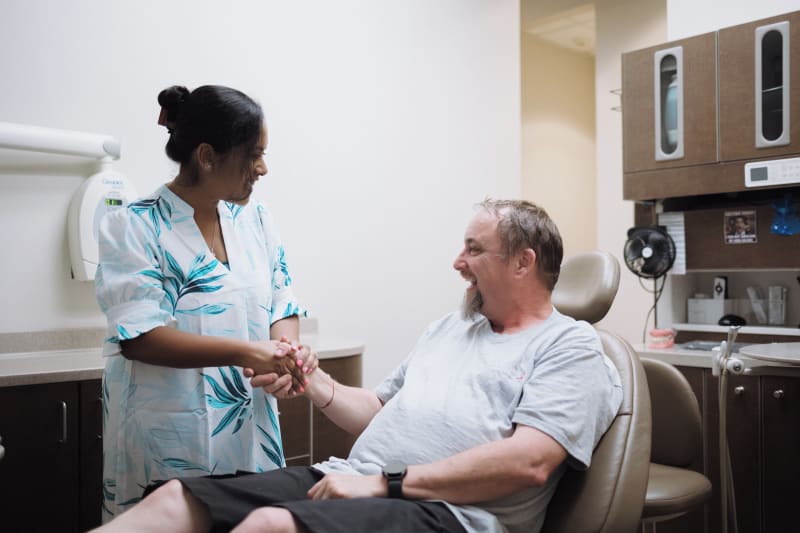
Here's something that surprises a lot of people: dentists are actually among the most thoroughly trained providers when it comes to facial anatomy. Think about what dental school covers. Years of studying the muscles, nerves, blood vessels, and skeletal structures of the face and jaw, in a level of clinical detail that most cosmetic providers simply don't have. The face isn't unfamiliar territory for a dentist. It's their entire world.
So when someone raises an eyebrow at the idea of getting Botox at a dental office, that reaction makes sense on the surface. Botox feels like it belongs in a med spa or a dermatologist's office, not somewhere you also get your teeth cleaned. But that assumption flips pretty quickly once you understand the training involved. Administering Botox requires a precise understanding of facial musculature, injection depth, and nerve pathways. Those happen to be things dentists work with every single day, every time they give an anesthetic, every time they treat a patient with jaw tension or TMJ issues.
The providers offering cosmetic Botox at a spa or salon? Some of them have excellent training. But some completed a weekend certification course. That's not a knock on anyone, it's just worth knowing when you're deciding who you trust near your face.
At Kent Station Family Dentistry, Botox isn't a side hustle or a trendy add-on. It's an extension of the same careful, anatomy-informed care that already happens here. You can learn more about what that looks like in practice on our Botox services page, or just give us a call at (253) 850-1600 if you'd rather talk it through with someone directly.
The short version: your dentist knowing your face this well isn't a quirk. It's actually exactly the kind of background you want.
What Dental Botox Is Actually Used For (It's Not Just Cosmetic)
It's actually exactly the kind of background you want when someone is treating more than just the surface. And that's the thing about dental Botox that surprises most people: so much of what it addresses lives beneath the surface.
Most folks walk in thinking Botox is purely about smoothing lines or softening the look of aging. And yes, it absolutely does that. Lip lines, forehead creases, the little wrinkles that show up around your mouth over time. Botox handles all of it beautifully. But if that's where your understanding of it stops, you're missing a whole other side of this treatment that could genuinely change how you feel every single day.
Take jaw tension, for example. If you wake up with a sore jaw, headaches that seem to start right at your temples, or a constant feeling of tightness in your face, there's a real chance your muscles are working overtime. Bruxism, which is the clinical word for teeth grinding, puts enormous pressure on the jaw joint and the surrounding muscles. Over time, that pressure adds up. Botox injected into the masseter muscle (the big chewing muscle on the side of your jaw) can calm that hyperactivity down significantly. It doesn't stop you from chewing. It just takes the edge off the clenching that's been quietly wearing you down.
TMJ pain falls into a similar category. The temporomandibular joint is one of the most complex joints in the body, and when it's inflamed or stressed, it can make eating, talking, and even sleeping uncomfortable. Botox isn't a cure-all, but for many people it offers real, meaningful relief when other approaches haven't quite gotten there.
Then there's the gummy smile. If you feel like your upper lip sits too high when you smile and shows more gum than you'd like, a small amount of Botox can gently relax the muscles that pull the lip upward. It's a subtle shift, but the confidence boost people feel afterward? Not subtle at all.
The full picture of what dental Botox can treat is worth exploring on its own. You can learn more about everything we treat on our Botox service page if you want to go deeper before your visit. Whether you came here curious about cosmetics or you've been quietly dealing with jaw pain for years and didn't know this was an option, you're in the right place.
The Questions You Should Actually Ask Before Any Provider Gives You Botox
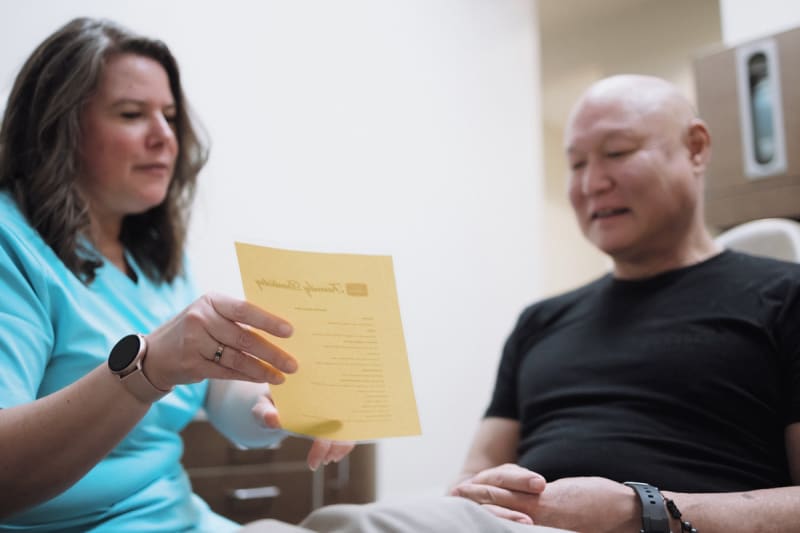
Doing your homework before a cosmetic treatment is smart. Doing your "worst case scenario" research at midnight because your provider never brought up the risks in the first place? That's a sign something went wrong before the appointment even started.
The problem is that it's hard to know what questions you need to ask, especially when you're new to something like Botox. And a lot of providers don't exactly volunteer the information. So here's a straightforward list of questions you should feel completely comfortable asking any provider before they touch a syringe. A good one will welcome every single one of them.
Start with training and experience. Ask directly: what specific training do you have in facial Botox, and how many treatments have you performed? Botox in a dental setting requires a deep understanding of facial anatomy, muscle function, and how the structures of your face interact. You want someone who can answer this question with specifics, not generalities.
Next, ask about your situation specifically. "What are the realistic risks for someone with my anatomy, my concerns, my goals?" This matters because risk isn't one-size-fits-all. A provider who gives you a canned answer instead of a personalized one is telling you something important about how they work.
Then ask what happens if you don't love the results. Botox is temporary, but that doesn't mean the next few months should feel like a waiting game you weren't prepared for. You deserve to know what your options are and what follow-up looks like.
If a provider gets vague, rushes past your questions, or makes you feel like you're being difficult for asking, pay attention to that feeling. You can learn more about what a thorough Botox consultation actually looks like at Kent Station Family Dentistry's Botox page, or call the team directly at (253) 850-1600. Asking a lot of questions isn't a burden. It's exactly what you should be doing.
Finding a dentist you actually trust with something this personal
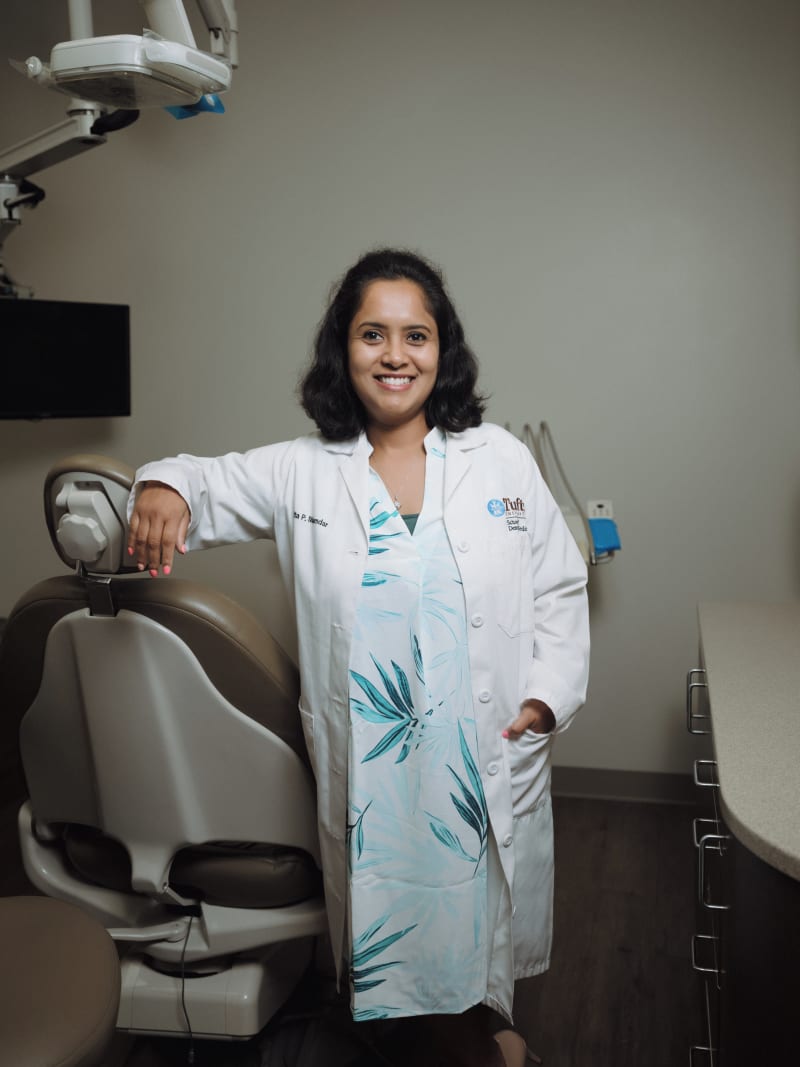
Asking a question you feel like you "should already know the answer to" takes courage. So does walking back into a dental office after years away, or bringing up something cosmetic when you're not sure if it's even the right place to ask. That kind of vulnerability is real, and the fear of being made to feel bad about it is just as real. You're not being dramatic. A lot of people have sat in that chair and left feeling worse about themselves than when they walked in, not because of the procedure, but because of a sigh, a tone, a comment that lingered longer than it had any right to.
A non-judgmental dental experience doesn't just mean someone smiles politely and moves on. It means no sighing at your X-rays. No lectures disguised as concern. No dismissive "we'll talk about that later" when you ask about something cosmetic. It means your questions get real answers, whether you're asking about whitening, Botox, or why your gums bleed every time you floss. It means the person across from you is actually listening, not just waiting for you to stop talking so they can hand you a pamphlet about flossing technique.
That's the kind of care the team at Kent Station Family Dentistry is genuinely built around. Not because it makes for a nice tagline, but because they understand that most people who put off dental care aren't lazy or careless. They're protecting themselves from an experience that hurt them before, literally or emotionally. Getting past that barrier matters. And it starts with finding a place where you don't have to brace yourself before you even sit down.
If you've been putting things off because you're worried about being judged, consider this your sign to see what a first visit actually looks like. You might be surprised by how different it feels when the room is on your side.
What to Expect If You Come In Asking About Botox at Kent Station
Knowing a room is on your side is one thing. Walking through the door is another. So here's exactly what that looks like at Kent Station Family Dentistry, no surprises.
Your first conversation about Botox here is just that: a conversation. Dr. Amrita takes time to understand what's been bothering you, whether that's chronic jaw tension, a gummy smile, or something you've been quietly curious about for a while. Nothing is assumed. Nothing is rushed. If you come in with a list of questions, great. If you've done a little worst-case-scenario searching online beforehand and want to talk through what you found, even better. Questions are genuinely welcomed here, not just tolerated.
The consultation is low-pressure by design. You'll learn what treatment might make sense for your specific situation, what the process actually involves, and what realistic results look like. If Botox is a good fit, you'll talk through next steps together. If it's not, you'll hear that honestly too.
If cost is on your mind, it's worth knowing that flexible financing options are available, so that piece doesn't have to be a barrier before you even get started.
When you're ready to ask your questions, we're ready to answer them. Reach out to the team at Kent Station Family Dentistry or give us a call at (253) 850-1600. We'd love to meet you.
Connect
We can’t wait to meet you! Call 253-850-1600 or request an appointment online to set up your first visit. We’ll be in touch soon.